Ozempic face describes the hollow, drawn look that can follow rapid weight loss on a GLP-1 medication. Treating it well depends on one question: has your face lost volume, or has the skin gone slack? Those are different problems. Volume loss needs filling. Slack skin needs tightening. Many people have both, and the plan has to reflect the mix.
Get that distinction wrong and you spend money on the wrong treatment. So it is worth understanding before you book anything.
What Ozempic Face Actually Is
The name is misleading, and worth correcting. The medication does not target your face. In fact it has no special effect on facial tissue at all.
What happens instead is simple. You lose weight quickly, and your face loses fat along with everything else. The same look appears after bariatric surgery, after illness, and after any fast weight loss. People noticed it more once GLP-1 medications became common, so the nickname stuck.
Calling it Ozempic face makes it sound like a side effect. It is really just what a face looks like when it deflates faster than the skin can keep up.
Why It Happens
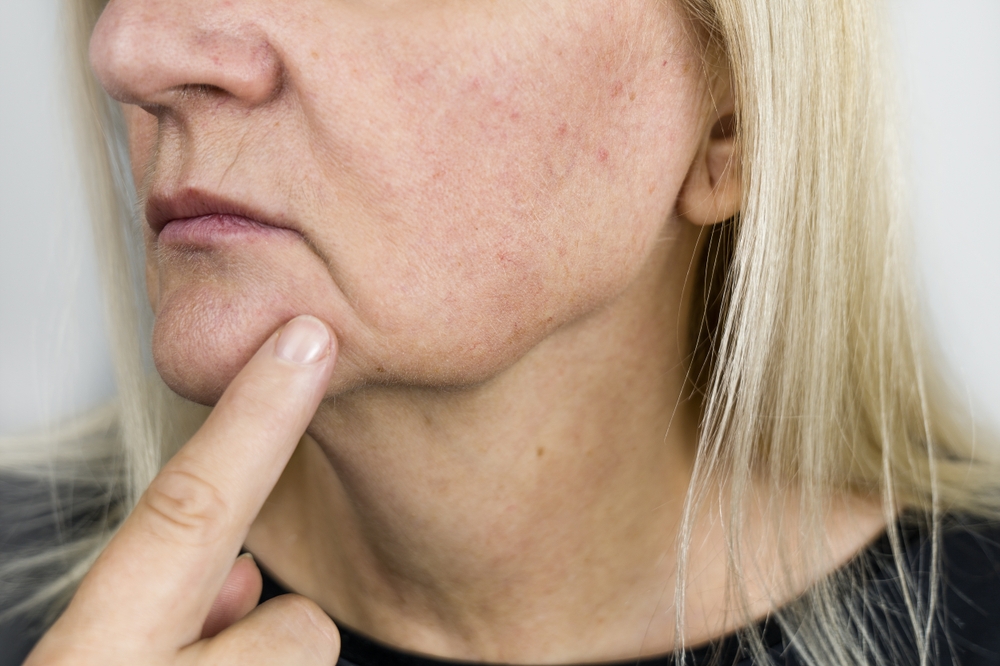
Your face carries fat in distinct compartments, rather than as one even layer. Cheeks, temples, and the area around the eyes each hold their own pads. Those pads give the face its fullness and support the skin above them.
When you lose weight, those compartments shrink. Temples flatten. Cheeks lose their curve. Under-eye hollows deepen and cast shadows, which is why people often say they look tired rather than thinner.
Meanwhile the skin has to shrink to fit. Younger skin manages that reasonably well. After roughly 40, collagen and elastin decline, so the skin retracts more slowly and sometimes not fully. The American Academy of Dermatology notes that this loss of elasticity is a normal part of ageing. Lose weight fast enough and the skin simply cannot catch up.
Volume Loss or Slack Skin? The Question That Decides Everything
Almost every mistake in treating Ozempic face traces back to this. The two problems look similar in a mirror, but they respond to completely different treatments.
Volume loss is the fat pads shrinking. Temples look scooped out. Cheeks look flat. The face reads as gaunt rather than saggy. Tightening skin over a deflated structure does nothing useful, and can even emphasise the hollows.
Skin laxity is the envelope having too much surface area for what is underneath. Jowls form. The jawline softens. Neck skin creases. Adding filler here just puts weight on skin that is already struggling to hold itself up.
Here is a test you can do at home. Lie flat on your back and look in a hand mirror. Gravity pulls slack tissue backwards, so if your face looks markedly better lying down, laxity is a large part of the picture. If it looks much the same, volume is the bigger issue.
It is a rough guide, not a diagnosis. We confirm it by hand at consultation, because the two almost always coexist in some ratio.
Treating the Volume Side
Two broad approaches restore facial fullness, though they work on different timelines.
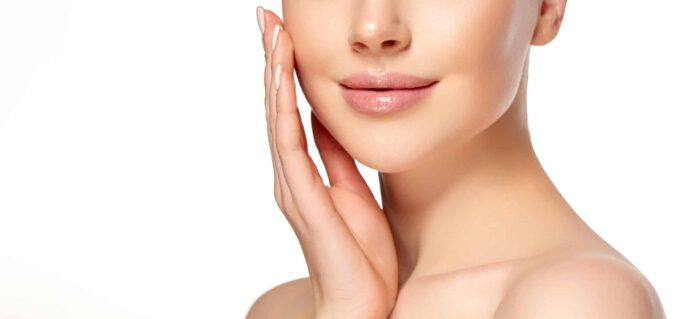
Dermal filler replaces volume immediately. A provider places it in the compartments that emptied, usually the cheeks and temples first. Restoring those often lifts everything below them, so results show the same day.
Collagen stimulators such as Sculptra work differently. Rather than filling a space, they prompt your own body to build collagen over several months. The change arrives gradually, which many patients prefer because nobody notices a specific day. Our guide to how many Sculptra treatments you need covers what that course involves.
Treating the Skin Laxity Side
Filler cannot fix slack skin. For that you need something that prompts the skin to rebuild its own structure.
Ultrasound skin tightening is a common choice here. Sofwave for facial laxity after weight loss delivers ultrasound energy into the mid-dermis, creating controlled zones of heat that trigger new collagen and elastin. The skin firms gradually over about twelve weeks as that new tissue matures. There is no downtime, which matters when you are already managing appointments around a medication schedule.
Our explanation of how Sofwave works covers the mechanism.
Radiofrequency microneedling is the other main route. It reaches the dermis through fine needles, and it addresses texture alongside firmness. But you trade a few days of redness for that.
Both have limits, and it is fair to say so. Energy devices firm skin. They do not remove it. After very large weight loss, where skin genuinely hangs, a surgical consultation is the more honest recommendation. So we compare the non-surgical options in our overview of skin tightening treatments. Our page on skin laxity and the treatments that address it then covers the condition more broadly.
When You Need Both
Most patients do, and sequence matters here. Providers generally restore volume first, then assess what laxity remains.
The reason is practical. Putting support back under the skin often takes up some of the slack on its own. Treat the tightening first and you may end up firming skin over a structure that still needs rebuilding, then paying again once the filler changes the picture.
That said, plenty of plans run the two alongside each other with sensible spacing. It depends on your face, not on a rule.
Can You Prevent It?
To a degree. Three things help, and none of them are dramatic.
The pace of weight loss matters most. Because slower loss gives skin more time to adapt, your prescriber is the right person to discuss pacing with.
Preserving muscle helps too. Resistance training and adequate protein support lean mass during weight loss, and facial structure benefits from the same overall picture. Your prescriber or a registered dietitian can advise on what suits you.
Sun protection is the least glamorous item, but also the most reliable. Ultraviolet exposure degrades collagen directly, so daily SPF protects the elasticity you still have.
One Thing to Be Clear About
Never stop, pause, or change the dose of a prescribed medication because of how your face looks. That decision belongs to the doctor who prescribed it, and usually there are good reasons you are taking it. Aesthetic treatment works perfectly well alongside GLP-1 medication, so you do not have to choose between the two. Tell us what you are taking and when you started, and we will plan around it.
Common Questions About Ozempic Face
Does Ozempic face go away on its own?
Partly, sometimes. Skin can still retract further over several months once your weight stabilises, especially if you are younger. Volume that has gone does not return on its own, though, unless you regain weight.
Is Ozempic face permanent?
Not in the sense that nothing helps. After all, both volume loss and skin laxity respond to treatment. But neither reverses by itself, so it will not simply fade with time.
Can I have treatment while still taking Ozempic?
Yes. Aesthetic treatments work fine alongside GLP-1 medication. But many providers suggest waiting until your weight has roughly stabilised, so the plan matches the face you will keep.
Should I stop taking Ozempic because of my face?
No, and please do not decide that alone. Your prescriber made that call for medical reasons. Talk to them about any concerns, and treat the cosmetic side separately.
Is filler or skin tightening better for Ozempic face?
Neither is better in general. Filler replaces lost volume, while tightening firms slack skin. Which one you need depends on which problem dominates, and most people need some of both.
How soon after losing weight should I get treatment?
Usually once your weight has been steady for a couple of months. Otherwise you treat a face that is still changing, which means chasing a moving target and often paying twice.
Does Ozempic face only affect the face?
No. The same pattern shows up on the neck, arms, and elsewhere after rapid weight loss. Still, the face draws the most attention, because people see it daily.
Will I get Ozempic face if I lose weight slowly?
You are far less likely to. Slower loss gives skin time to adapt, and younger skin adapts better. Age, genetics, and sun history all influence the outcome.
Work Out Which Problem You Actually Have
The mirror test gives you a rough idea. A proper assessment gives you a plan. Come in and we will tell you how much of what you are seeing is volume, how much is laxity, and what order to address them in. Call us at 212-960-8172 or book a consultation at our Midtown office.
Ozempic is a registered trademark of Novo Nordisk. Manhattan Aesthetics is not affiliated with Novo Nordisk and does not prescribe GLP-1 medication. Individual results vary. This article offers general education and does not replace medical advice from your prescriber.